The Silk Road is a historic travel route connecting ancient cities, deserts, mountains, and diverse cultures across China and Central Asia. Modern Silk Road tours often include Xi’an, Luoyang, Gansu, Qinghai, Xinjiang, and nearby Central Asian destinations, following key sections of this ancient trade network.
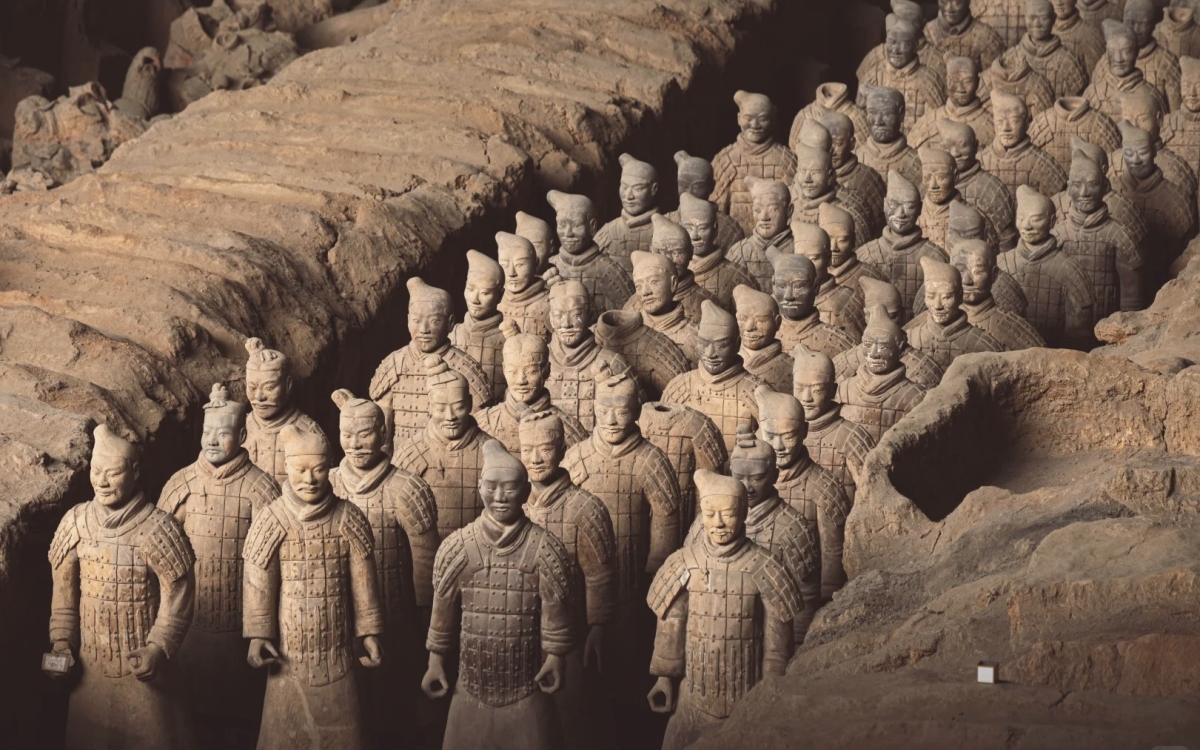
Due to the wide range of climates, elevations, and travel conditions, proper packing is essential for a comfortable journey. Whether visiting the Terracotta Warriors in Xi’an, exploring Xinjiang’s deserts, or traveling into Central Asia, suitable clothing and essentials can make a significant difference.
This guide outlines practical packing tips based on common Silk Road travel routes.
Understanding the Silk Road Travel Environment
Before creating your packing list, it is helpful to understand the conditions you may encounter during a Silk Road journey.
Diverse Climates Across the Route
One of the unique characteristics of the Silk Road is its environmental diversity.
Xi’an and Luoyang experience four distinct seasons, with hot summers and cool winters. Gansu and Qinghai can have significant temperature differences between day and night, especially in high-altitude areas. Xinjiang is known for its dry desert climate, intense sunshine, and low humidity. Central Asian destinations such as Kazakhstan, Uzbekistan, and Kyrgyzstan also experience seasonal variations, ranging from hot summers to cold winters.
As a result, travelers often encounter multiple climate zones during a single trip.
Activities and Travel Conditions
A typical Silk Road itinerary may include:
- Walking through ancient cities and archaeological sites
- Visiting caves, temples, mosques, and historical monuments
- Exploring deserts, grasslands, and mountain landscapes
- Long-distance road journeys between destinations
- Domestic flights and high-speed rail travel within China
Comfortable clothing and practical travel gear are therefore essential.
Essential Clothing for a Silk Road Tour
Clothing plays a key role in Silk Road travel. As travelers move between cities, deserts, grasslands, and high-altitude regions, versatile layers are often the most practical choice for changing weather conditions.
Pack Layered Clothing
Layering is the most effective strategy for Silk Road travel.
Temperatures can vary significantly throughout the day, particularly in Gansu, Qinghai, and parts of Xinjiang. Mornings and evenings may be cool even during summer months.
A practical layering system includes:
- Lightweight moisture-wicking shirts
- Long-sleeved tops for sun protection
- Fleece or light sweaters
- Windproof jackets
- Waterproof outer layers during spring or autumn
Layered clothing allows travelers to adapt quickly to changing weather conditions without overpacking.
Choose Comfortable Walking Shoes
Many Silk Road attractions require substantial walking.
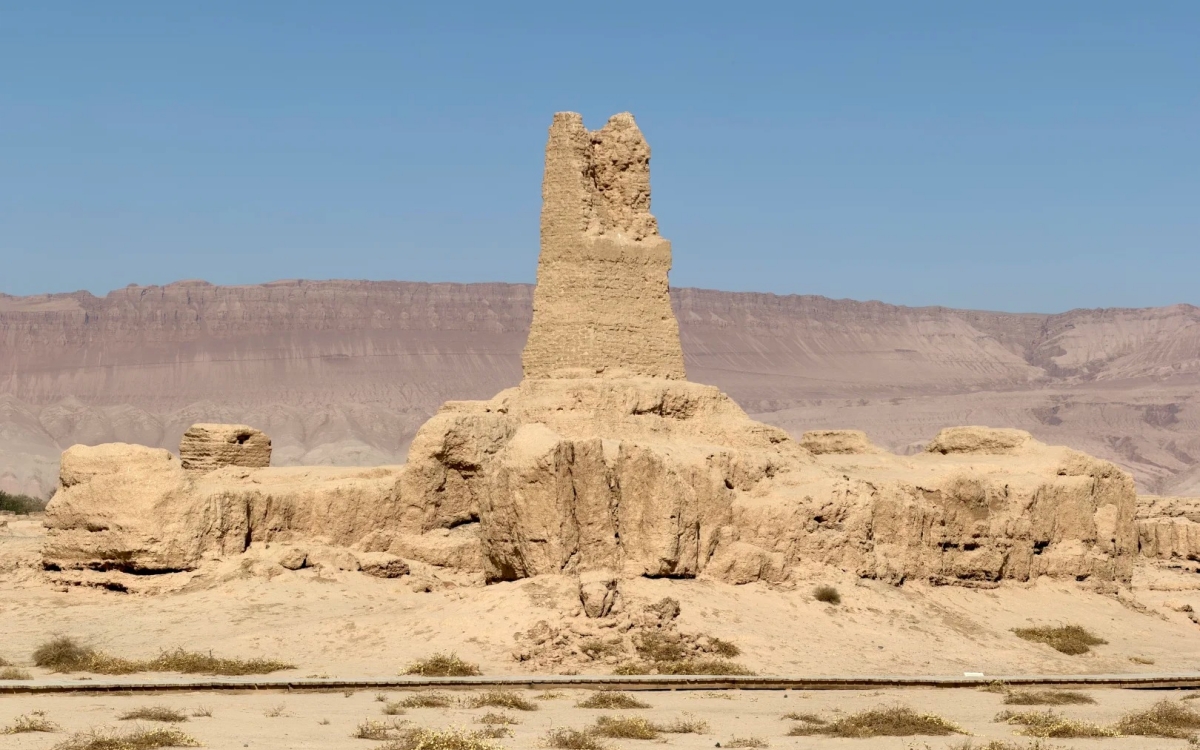
Historic sites such as the Ancient City of Gaochang, Mogao Caves, Jiaohe Ancient City, and Luoyang’s cultural landmarks involve uneven surfaces and extended periods on foot.
Recommended footwear includes:
- Comfortable walking shoes
- Lightweight hiking shoes
- Breathable sneakers
- Extra pairs of socks
Seasonal Packing Recommendations
Packing needs vary by season, as temperatures and weather conditions can differ considerably across the Silk Road. Choosing appropriate clothing for the time of year will help you stay comfortable throughout the journey.
Spring (March to May)
- Light jackets
- Long-sleeved shirts
- Comfortable trousers
- Rain protection
Summer (June to August)
- Lightweight clothing
- Sun-protective layers
- Breathable footwear
- Wide-brimmed hats
Autumn (September to November)
- Layered clothing
- Warm sweaters
- Windproof jackets
Winter (December to February)
- Insulated outerwear
- Thermal base layers
- Gloves and scarves
- Winter footwear

Sun Protection and Desert Travel Essentials
Many Silk Road destinations feature dry climates, open landscapes, and strong sunshine. Packing a few sun-protection and hydration essentials can help you stay comfortable during outdoor activities and long sightseeing days.
Prepare for Strong UV Exposure
Many Silk Road destinations receive abundant sunshine throughout the year.
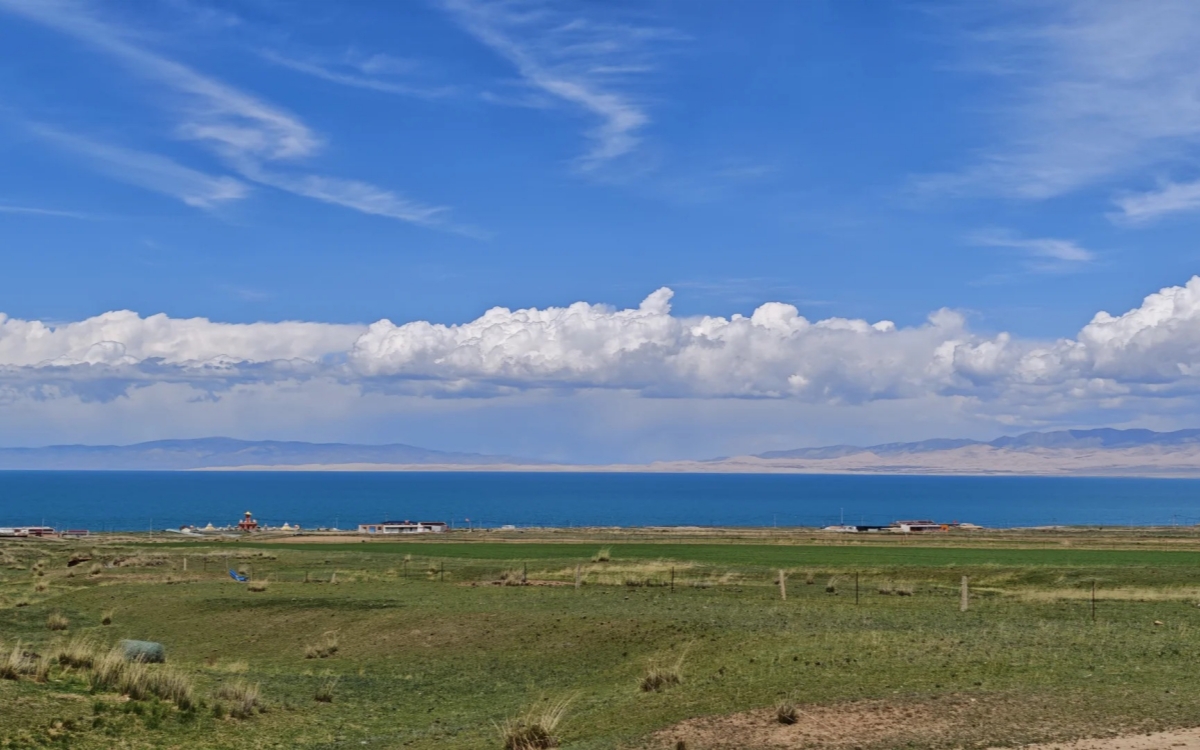
Areas such as Turpan, Dunhuang, Qinghai Lake, and the Gobi Desert often experience strong ultraviolet exposure, particularly during summer.
Essential sun-protection items include:
- Sunscreen with high SPF
- Sunglasses with UV protection
- Wide-brimmed hats
- Lip balm with sun protection
Consistent sun protection can help prevent sunburn and dehydration during outdoor sightseeing.
Stay Comfortable in Dry Conditions
The climate in Xinjiang and parts of Gansu can be extremely dry.
Travelers often find the following items useful:
- Moisturizer
- Hand cream
- Lip balm
- Reusable water bottle
- Lightweight scarf or neck gaiter
A scarf can also provide protection against dust and occasional desert winds.

Health and Personal Care Items
A small health and personal care kit can help you stay comfortable during long journeys and visits to remote areas. Packing a few essential supplies ensures you are prepared for common travel-related needs.
Carry a Basic Travel Health Kit
While medical services are available in major cities, carrying basic health supplies can be convenient during long travel days.
Recommended items include:
- Personal prescription medications
- Pain relievers
- Motion sickness medication
- Adhesive bandages
- Antiseptic wipes
- Allergy medication
Travelers should keep important medications in their carry-on luggage.
Consider Altitude Factors
Certain Silk Road itineraries include high-altitude destinations in Qinghai and western China.
Locations around Qinghai Lake and surrounding plateau regions may exceed 3,000 meters above sea level.
Helpful preparation measures include:
- Staying hydrated
- Avoiding overexertion upon arrival
- Getting adequate rest
- Consulting a healthcare professional before travel if necessary
Most travelers adjust comfortably with proper pacing and basic altitude sickness prevention measures.
Personal Hygiene Essentials
Useful items include:
- Hand sanitizer
- Wet wipes
- Facial tissues
- Travel-sized toiletries
- Personal hygiene products
These supplies are particularly helpful during long-distance transportation or visits to remote areas.
Travel Documents and Payment Essentials
Keeping essential documents organized and preparing suitable payment methods can help ensure a smoother travel experience across multiple Silk Road destinations and international borders.
Important Documents to Bring
Before departure, ensure you carry:
- Passport
- Visa documentation where applicable
- Travel insurance details
- Flight confirmations
- Hotel reservations
- Emergency contact information
It is also advisable to keep digital copies stored securely on your phone or cloud service.
Payment Methods Along the Silk Road
Payment systems vary across destinations.
In China, mobile payment platforms are widely used, while cash and international bank cards remain useful in certain situations. In Central Asia, carrying some local currency can be helpful when visiting smaller towns or markets.
A practical approach includes:
- Credit card
- Debit card
- Backup cash
- Emergency payment option
Electronics and Travel Gadgets
Electronic devices play an important role in modern Silk Road travel, helping with navigation, photography, communication, and trip management across multiple regions and countries.
Devices Worth Bringing
Modern travelers often rely on several electronic devices throughout a Silk Road journey.
Useful items include:
- Smartphone
- Camera
- Power bank
- Tablet or e-reader
Photographers may also want additional memory cards and spare camera batteries.
Connectivity and Charging Equipment
Because your itinerary may cross multiple countries, it is important to prepare for different charging requirements.
Recommended items include:
- Universal travel adapter
- Charging cables
- Portable charger
- eSIM or local SIM card
Reliable internet access can be useful for navigation, communication, and travel updates.
Packing for Cultural and Religious Site Visits
The Silk Road is home to numerous religious and cultural heritage sites.
Travelers may visit:
- Buddhist temples
- Ancient grottoes
- Mosques
- Monasteries
- Historic pilgrimage sites
Dress Respectfully
Modest clothing is generally recommended when visiting religious locations.
Appropriate attire may include:
- Clothing covering shoulders
- Trousers or skirts below the knee
- Lightweight scarf for additional coverage if required
Respecting local customs helps create positive interactions with local communities.
Follow Local Etiquette
When visiting cultural sites:
- Observe photography regulations
- Follow guide instructions
- Respect worship areas
- Avoid disruptive behavior
These practices contribute to responsible and respectful tourism.
Destination-Specific Packing Tips
Each Silk Road destination has distinct climate conditions and travel environments, so adjusting your packing list based on location can improve comfort and travel efficiency throughout the journey.
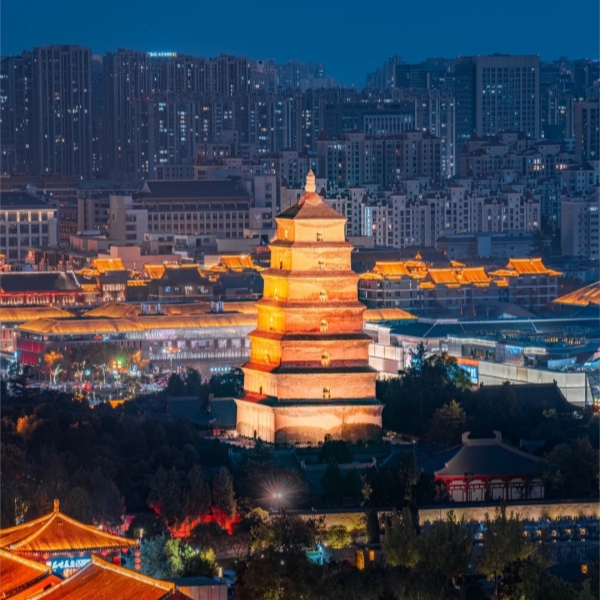
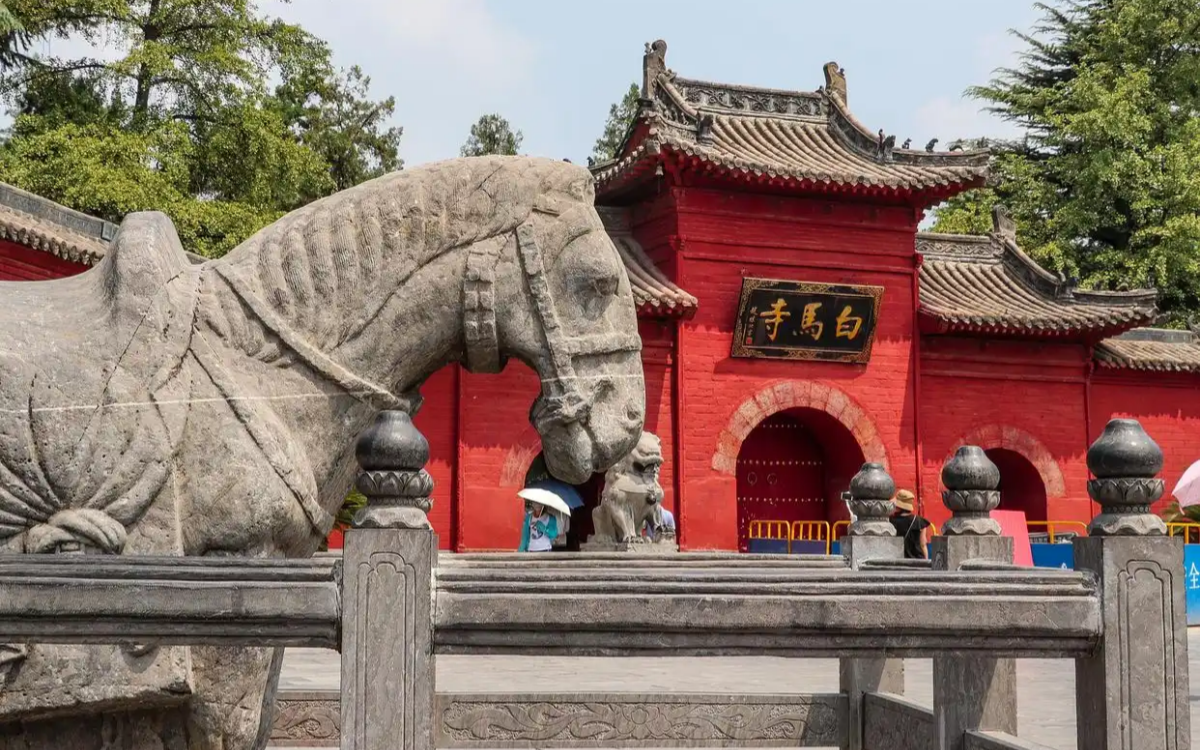
Xi’an and Luoyang
Focus on:
- Comfortable walking shoes
- Light jackets during spring and autumn
- Camera equipment for historical attractions
Gansu
Recommended items include:
- Layers for temperature changes
- Sun protection
- Wind-resistant outerwear
Qinghai
Bring:
- Warm clothing
- Windproof jackets
- Moisturizer
- Sunscreen
Xinjiang
Consider packing:
- Breathable clothing
- Sunglasses
- Sun hats
- Reusable water bottles
- Lightweight scarf
Central Asia
Travelers visiting multiple countries should carry:
- Seasonal clothing
- Universal adapters
- Travel documents
- Local currency where appropriate
Practical Packing Tips for Long Silk Road Journeys
As Silk Road tours typically include multiple cities, long travel distances, and frequent hotel changes, packing efficiently helps improve mobility and makes the overall journey more comfortable.
Choose Suitable Luggage
Many travelers find a medium-sized suitcase combined with a small daypack to be the most practical combination.
A daypack is useful for:
- Water bottles
- Travel documents
- Daily essentials
Avoid Overpacking
Long Silk Road itineraries often involve multiple hotel changes and transportation connections.
To pack efficiently:
- Use packing cubes
- Select versatile clothing
- Limit duplicate items
A lighter suitcase can make travel significantly easier.